
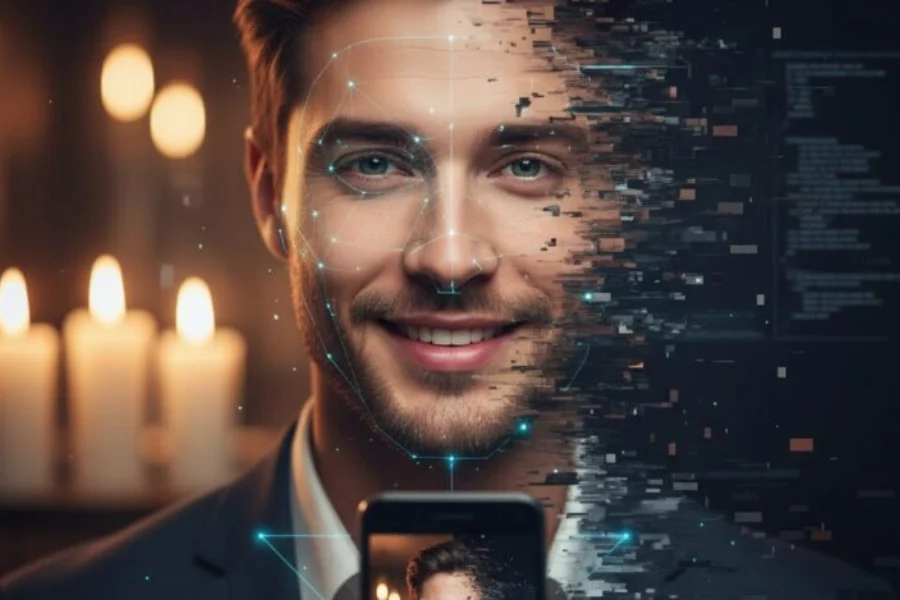
Online dating has made it easier to meet people beyond geographical boundaries, but it has also created new opportunities for digital deception. Catfishing, the practice of creating a fake online identity to mislead others, is becoming more sophisticated with the rise of artificial intelligence (AI).
Earlier, fake dating profiles often contained stolen photographs, inconsistent personal details or suspicious messages. Today, AI tools can generate realistic faces, convincing biographies and natural-sounding conversations, making it increasingly difficult to distinguish genuine people from fabricated identities.
How AI Is Changing Catfishing
Generative AI has made it possible to create realistic profile pictures without using an actual person’s photograph. Scammers can also use AI writing tools to prepare personalised introductions, maintain conversations and respond naturally to questions.
Some of the techniques making catfishing more convincing include:
- AI-generated profile photos: Realistic faces and lifestyle images can be created without a real person behind the account.
- AI-written conversations: Chatbots can generate personalised messages that sound natural and emotionally engaging.
- Deepfake videos and voices: Synthetic media can help scammers appear genuine during video or voice interactions.
- Automated messaging: Scammers can manage multiple conversations simultaneously, making their operations more scalable.
These developments mean that traditional warning signs, such as awkward messages or suspicious-looking photographs, may no longer be enough to identify a fake profile. Sage Journals+1
AI Catfishing Is a Growing Concern in India
The problem is particularly relevant in India, where online dating and social networking platforms have become popular ways to meet potential partners.
According to McAfee’s February 2026 research, 75% of surveyed Indians had encountered fake profiles or photographs that appeared AI-generated on dating platforms or social media. The study also found that 33% said they had experienced catfishing, while one in seven respondents reported losing money to an online dating or romance scam.
The findings highlight how digital deception can go beyond misleading photographs and lead to financial fraud and emotional distress. McAfee
Why Fake Dating Profiles Are Difficult to Identify
One major challenge is that AI-generated content is becoming increasingly realistic. A profile may have consistent photographs, a detailed biography and conversations that appear personal.
Scammers may also research their targets through publicly available social media information. This allows them to mention shared interests, professional details or personal experiences to establish familiarity and build trust.
In some cases, they gradually move conversations away from dating platforms to private messaging applications. This can make it harder for users to report suspicious behaviour or verify the original account. UNSW BusinessThink+1
Warning Signs to Watch Out For
Although AI makes fake profiles more convincing, certain behaviours can still indicate potential deception.
- The person repeatedly avoids meeting in person or having a live video conversation.
- Their photographs, background details or personal stories appear inconsistent.
- They quickly express strong romantic feelings or push for an unusually intense relationship.
- They insist on moving conversations to another messaging platform.
- They request money, cryptocurrency, gift cards or financial information.
- They introduce investment opportunities or claim to need urgent financial assistance.
A single warning sign does not automatically prove that someone is catfishing, but several suspicious patterns deserve attention.
How to Stay Safe While Dating Online
Online dating users should take a few precautions before developing trust with someone they have met digitally.
Avoid sharing sensitive personal information, financial details or intimate photographs with unverified contacts. Consider using dating platforms’ profile verification and reporting features, and arrange first meetings in public places.
It is also important to remember that a convincing video call or realistic photograph is not absolute proof of someone’s identity. AI-generated content can sometimes bypass traditional verification methods.
Dating platforms are also strengthening their safety measures through facial verification, automated fraud detection and human moderation. However, technology alone cannot eliminate the risks associated with online deception. CBS News+1
The Future of Online Dating Depends on Trust
AI is changing how people communicate, present themselves and build relationships online. While these tools can improve dating experiences, they can also make impersonation and romance scams more sophisticated.
As fake identities become harder to recognise, users need to place greater importance on digital awareness, identity verification and responsible online behaviour. In the AI era, finding a genuine connection may require more than just trusting a profile picture or a convincing conversation.