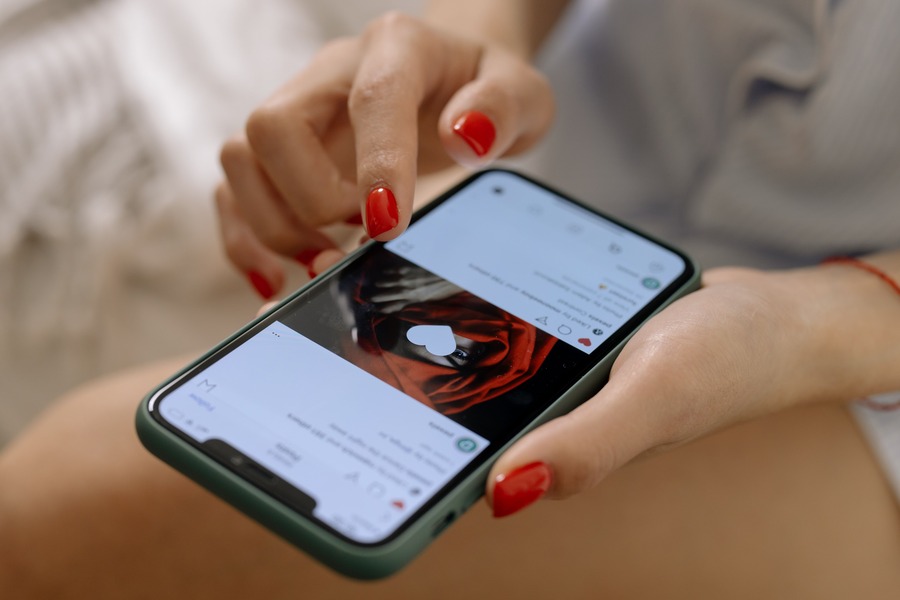
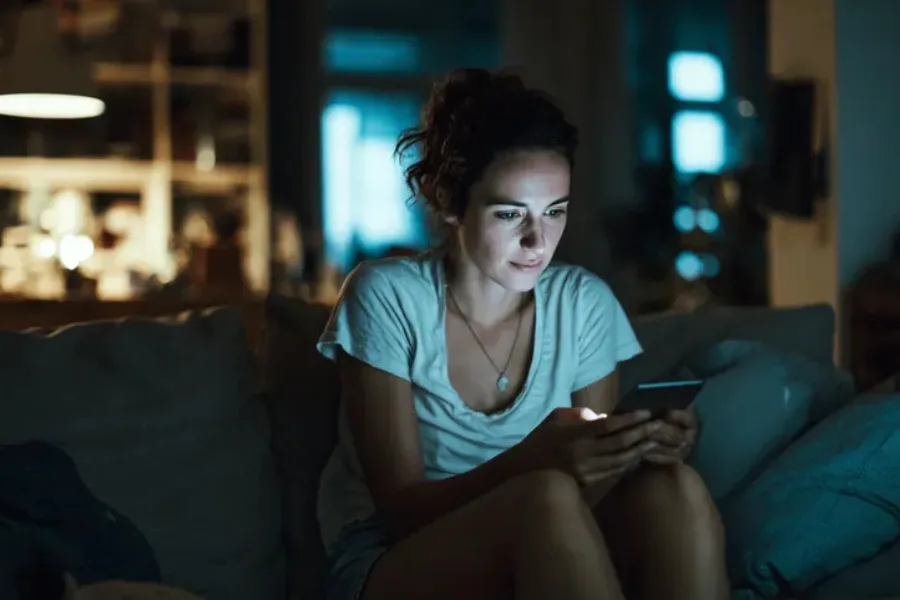
You open your phone for five minutes, and suddenly two hours disappear . A creator talks about heartbreak, mental health, or everyday hurdles and somehow it feels weirdly personal. Slowly their videos become comforting, and the voice, it feels like it belongs to your routine. This is kind of why parasocial crushes are becoming more common in today’s digital world. People now feel emotionally close to influencers , streamers, and online personalities more than ever, like it’s just… easier.
Unlike classic celebrity admiration, these connections can feel intimate, almost too intimate. A lot of people end up with a real emotional attachment online because creators share personal narratives, late-night thoughts, and these vulnerable little snapshots again and again. And then followers start to feel understood, in ways real-life partners sometimes do not manage, or maybe they just don’t have the same rhythm.
Why it feels like online personalities are easier to connect with
Real relationships can feel kinda complicated. Like you need real communication, patience, and some emotional work that can’t be skipped, at least not easily. Meanwhile online personalities seem emotionally on standby, 24-7, almost like they’re quietly waiting for you. They answer comments, post little routines, and talk straight into the camera like a close friend. And because of all that, viewers feel noticed, and it gets that strong “i’m connected” feeling.
At the same time though, modern online dating culture has made the whole thing feel more confusing, to a lot of people. Ghosting happens, mixed signals too, and emotional unavailability is sort of everywhere. So it’s not surprising that some individuals end up looking for comfort in creators who appear steady, and emotionally expressive, almost effortlessly.
This is where internet crush psychology gets interesting . The brain tends to treat repeated digital interaction like it’s a real bond, even if it’s just a screen. Sure the connection is mediated, but the feelings can still feel sincere. Over time, followers might build trust, anticipation, and emotional reliance.
The Comfort of Digital Intimacy
One big reason these Parasocial Crushes keep growing is that people can feel safe connected. Online personalities just , can’t really reject someone in the same direct way. There’s also no awkward silence, no painful breakup, and usually no fear that someone will judge you. Instead, viewers end up with this controlled emotional ride that feels calm and predictably warm.
And, it’s not just casual posting anymore. Creators often share very private stuff, like morning routines, emotional spirals, relationship advice, or “day in my life” videos. All of it makes the audience feel near, like there’s a kind of closeness. Somehow the brain gets convinced by that digital closeness, like there’s really an emotional connection between them. It’s less “one way,” and more “two-way” in the mind, even if it isn’t on paper.
A lot of fans then start comparing this online closeness with real life. Sometimes a creator seems more emotionally present than an actual partner. That sounds kinda wild, but it matches the emotional mismatch many people feel when they’re outside the screen.
Meanwhile the platforms keep feeding the whole cycle. The algorithms keep serving relatable posts, dramatic storytelling, and attractive personalities. So emotional ties seem to thicken, day after day, even if nobody’s really stepping fully into the relationship.
When influencer relationships become emotionally close
In terms of influencer relationships as opposed to past celebrity models, influencer relationships now are very different. In the past, celebrities and entertainment stars felt out of reach and detached. Influencers now share their lives with us through vlogs and can cry on live stream video, thus creating a sense of attachment with their followers due to their everyday interactions.
The issue lies in the emotional boundaries being blurred between the viewer and the influencer. A viewer can quickly stop valuing their friendships and relationships in real life and prioritize online influencers or personality. An individual becomes tired or worn out from maintaining these real-life relationships, and the comfort of online connections becomes easier. During this time, online relationships can develop based on the shared experience of social isolation due to an increase in social media use.
The irony of social media is that it provides almost limitless ways to connect yet is still isolating to those experiencing social isolation. Everyday, individuals scroll through pictures of other people’s perceived perfect lives, happy, committed couples, and personally inspiring content. However, at the end of the night, many of those same individuals end up alone, and they yearn for connection with social intimacy, like something almost touching and mutual. This longing for social connection, therefore, can drive individuals to form closer emotional ties with individuals creating digital content and online platforms.
Not all parasocial relationships are inherently detrimental, as many of these creators/online personalities provide individuals with self-confidence, coping methods, and motivation; however, issues arise when individuals are using those sources as emotional crutches in place of their relationships with individuals in the real world.
The Emotional Reality of Parasocial Relationships
Parasocial Crushes denote an aspect of contemporary relationship dynamics, whereby the person has an overwhelming fascination with an influencer rather than a sense of immediate emotional safety, understanding and consistency with their romantic partner. Online personalities seem to offer a greater degree of these feelings than real-life partners tend to.
While a computer screen or smartphone can never replace the need for authentic relationships with other people, the imperfections, conflicts, and vulnerability within those experiences create immeasurable depth in real relationships that digital connections cannot truly replicate.
The emergence of Parasocial Crushes evidences the degree to which technology has impacted an individual’s emotional state. As we continue to live in a world where people communicate constantly but struggle to build meaningful emotional connections, it is not surprising that many individuals turn toward online influencers for validation, emotional safety, and a sense of importance.