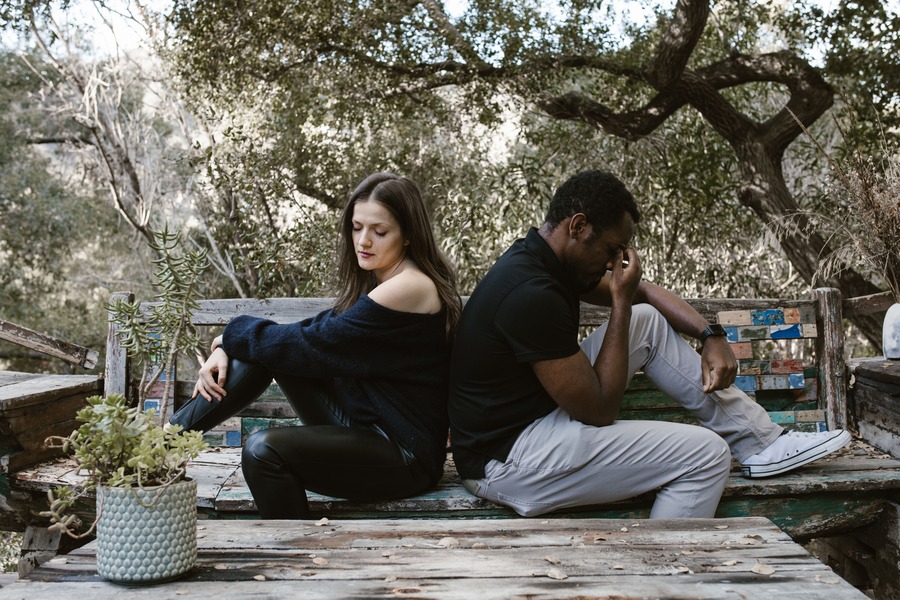

Think about a first date for a moment. You choose an outfit. Someone fixes their hair. You leave the house feeling upbeat. Then you see the total. Dinner costs more than you planned. Drinks add up fast. Parking can feel like a fee for just showing up. By the end, one night can cost way more than it should. A lot of people have started calling this “Dateflation.” It is tied to everyday price increases and it is changing how singles act when they look for romance.
Old school dating was mostly about feelings. It was about talking and getting to know someone. It was about that jittery energy right before you meet. These days, cost can show up sooner. For many people, the issue is not only, “Do I like them?” It is also, “Do I have enough for another night out?”
When going out starts to cost more
A “small” date can turn into a pricey plan fast. You pay for dinner, then maybe coffee. Then there is rideshare or parking. After that, you still need something to do. By the time the night starts to feel fun, the total can be high.
New stories have pointed out that many single people feel this stress. Some folks pause before picking a pricey place or setting up a big schedule. Others are more careful with who they date and how often they leave home.
Because of this, a newer word has shown up: infladating. The basic idea is straightforward. Date with less spending, not less effort.
So instead of a sit down, expensive dinner, two people might get coffee and take a walk. They could go to a free show. People might cook a meal at home. They could check out a local market. Or maybe they just grab a calm corner and chat for a bit.
Still, I can’t really deny how it turns out.
Inflating costs are shifting how people date
For a long time, people treated pricey plans like proof of effort. A nice dinner felt romantic. A costly outing looked impressive. Now rent, food, and bills are rising, so that old idea is losing its pull.
This shift is more than money worries. It affects what people expect from a date. It also changes how often they go out. In some cases, it even affects who they choose to date.
A few singles may look for someone who gets their money limits. They might prefer partners who plan with care instead of partners who assume expensive stops. Others may cut back on dating time. They want to save cash, cover monthly payments, and work on their own plans.
Less spending can also make dates feel less forced. When there is no high priced venue to chase, it is easier to talk and listen. People can pay more attention to personality and fit.
At the end of the day, a real connection should not hinge on a big restaurant tab.
The New Meaning of a “Good Date”
Imagine two people meet for coffee on a Sunday. Late afternoon, not rushed. They chat for about two hours. They share awkward stories and then laugh at them. After that, they stroll through a nearby park.
They do not spend much at all.
Still, that same afternoon can stick with them for a long time. It can feel warmer than a fancy dinner where both people spend the whole time watching the total and worrying about the cost.
This is the whole point of infladating. It does not say romance matters less. It just looks at it in a new way. People are trying to tell the difference between effort and spending.
A simple plan can land better than a pricey one. When someone remembers your snack, picks a spot you will actually like, or works out a date that fits what you enjoy, that can feel real. It shows you were noticed.
With Dateflation making the usual dating harder, these small moves can mean more than before.
Can dating get better without heavy spending?
There is a different take on this shift. Money gets mentioned more often now, but it may also lead to clearer, calmer talks.
Some people may find it easier to talk about real plans. That includes daily habits, money habits, and what each person values. We might talk about these things later, but starting now makes it easier.
Even then, nobody should feel pushed to pay just to prove they are serious. A first date should feel fun. It should not turn into worry about bills.
In the end, “date inflation” may push people to ask a simpler thing. What makes a date stay in your memory?
It might not be a fancy place or a pricey night out. Your might be the way you speak. It could be real attention. That could be easy laughter. It could be that relaxed feeling with the other person.
Inflation in dating may have grown because costs went up. Even then, it can still bring up something simple. Love does not need to be linked to big purchases.