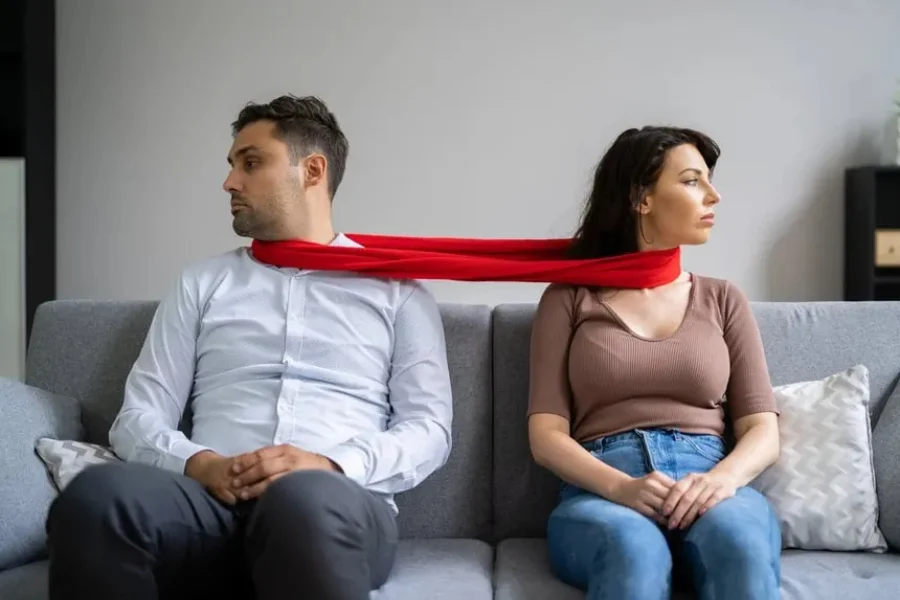
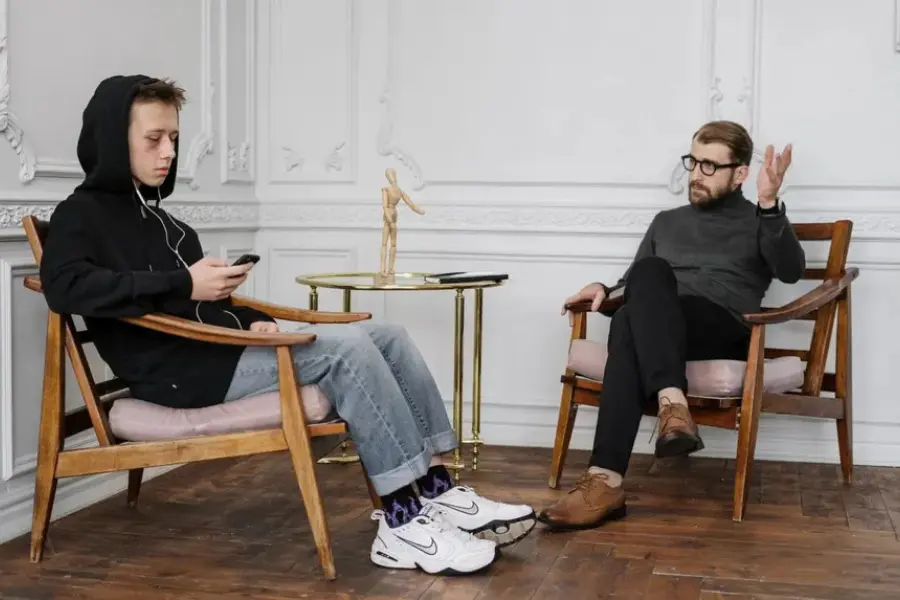
How do you count the number of occasions where you have apologized over an action you did not commit? Many of us confuse kindness with people pleasing in relationships, and slowly, that habit turns into over apologizing. The initial situation appears to be harmless. People desire peace. People desire love. Individuals desire connection. People begin to lose their personal boundaries because they feel guilty about their social interactions with others. People begin to shrink their identities until others feel comfortable around them.
Let me tell you about Aanya. She apologized when her partner misunderstood her tone. Aanya apologized when she asked for alone time. She even apologized for feeling tired. Eventually, “sorry” became her most used word. She believed her actions demonstrated love for others. Her tendency to please others developed into a habit which prevented her from understanding her own emotions.
What are the reasons behind this particular occurrence? And more importantly, how do you stop?
Why Do We Over-Apologize?
Children develop the habit of over-apologizing their mistakes. You received praise for your behavior because you were considered “easy”. They experienced conflict situations which made you feel unsafe. You developed the ability to resolve conflicts through quick solutions. You discovered that people accepted you when you agreed with them.
People show this behavior pattern through their subtle actions. You apologize before expressing your personal thoughts. They apologize when you establish personal boundaries. You apologize for making loud noises during your presence.
People who apologize excessively create a risk because their behavior leads to danger. The behavior shows that your requirements have less value than your need to apologize. Your partner will begin to embrace this belief because you have conditioned them to perceive you as adaptable.
People experience guilt because they show a lack of understanding about personal boundaries. Individuals experience discomfort. People develop a habit of excessive apologizing when they prefer to experience guilt instead of feeling discomfort.
When Guilt Replaces Healthy Boundaries
Relationships depend on boundaries which draw their essential lines. Relationships require truthful dialogue between their members. The process of boundary violation results in guilty feelings which produce hidden resentment.
You can envision a situation where you need to cancel your social activities because your body lacks energy. Your response to the situation involves two texts which you send to the other person. You send three texts to apologize for your actions. They explain everything to the point of excessive detail. You promise to “make it up.” The reaction shows your body that resting period represents your failure to perform tasks.
Emotional imbalance develops through this continuing situation. You bear the responsibility of creating peaceful situations. Your partner remains unaware of your internal battles which you fight.
People who want to please others in relationships face an exhausting experience. You begin to observe every single word which you speak. Your emotions go through a process of filtering. You choose to seek others’ approval instead of being your true self.
The process of building frustration reaches its conclusion. You feel like nobody sees you. Your presence goes unnoticed yet you believe you must carry the blame.
Signs You’re Over-Apologizing
Not sure if this applies to you? Notice these patterns:
- You apologize before expressing a need.
- You feel anxious after minor disagreements.
- You assume conflicts are always your fault.
- You over-explain simple decisions.
- You feel guilty for setting boundaries.
If these sound familiar, pause. Awareness is powerful. You are not weak. You are likely protecting yourself the only way you learned.
However, protection is different from connection. True intimacy does not require shrinking.
How to Stop Over-Apologizing
The change process also entails individuals to initiate the process by making small incremental adjustments. First, as opposed to automatic apologies, use gratitude. The sentence, “Sorry I am late, is to be changed with the sentence, Thank you, I am waiting. The energy changes instantly.
You need to wait a moment before beginning your reply. You must question yourself as to whether you did make an error or you are just experiencing a discomfort in coping with a tense situation. The pause interrupts the ongoing pattern.
Third, practice clear language. The expression “I need some time to think” should be used because it conveys your need for space better than an apology. Your movements should appear calming. Your body should maintain an upright position. There are no boundaries to the drama that you require.
Above all, you need to remember that you do not need to always sacrifice yourself to love. Individuals that appreciate you will not castigate you because you have boundaries.
Breaking people pleasing in relationships feels scary at first. You might fear rejection. Healthy partners value honesty more than they value constant apologies.
Choosing Boundaries Over Guilt
Aanya eventually stopped apologizing for her feelings. Her first statement of “I am not okay with that” showed her voice had reached its breaking point. Still, she did not say sorry afterward. The world remained intact. Everything stayed normal. An unexpected development occurred. Her partner listened.
The instant created a complete transformation. She understood that relationship boundaries do not create distance between people who love each other. The boundaries protect your identity from people who do not treat you with proper respect.
Your constant need to apologize shows you must protect your identity through which you serve people. Your actual fear becomes your loudest fear which shows up in your most powerful form.
You deserve relationships where your voice matters. You deserve space without guilt. Your space must exist for you to connect with others because you are not required to become smaller.
You should pause when you feel the need to apologize. Breathe. Choose intention instead. Relationships develop real love through authentic behavior which replaces people-pleasing behavior.