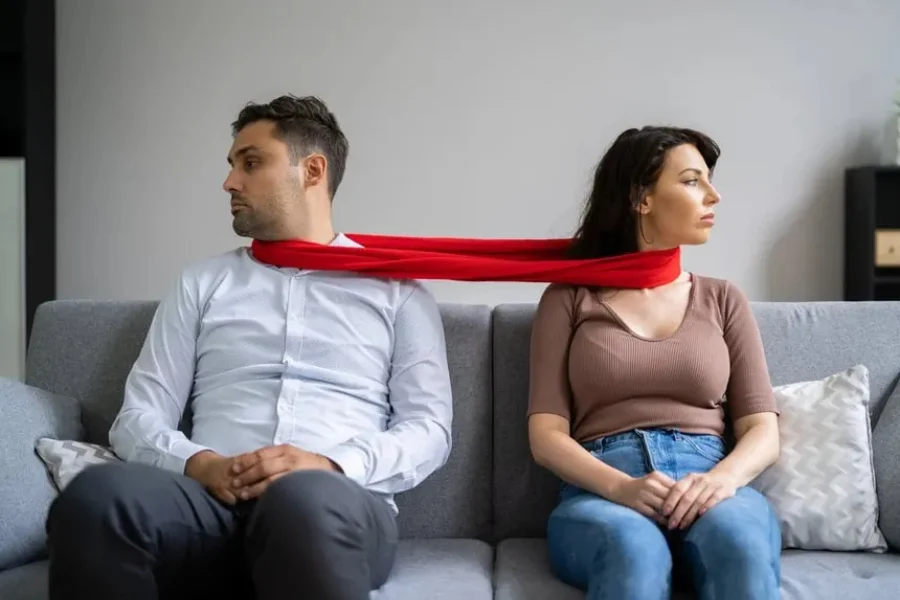

Your strength is your most important value. You manage your financial obligations and solve your personal difficulties and handle your emotional responsibilities. Most people think you maintain independence in relationships from others. The situation changes when someone begins to say that he needs no one at all. Hyper-independence creates problems because it stops people from building close relationships.
The initial experience brings feelings of empowerment. You take pride in your ability to function without assistance from others. You believe that you require minimal effort from others. Your partner experiences increasing feelings of isolation because your relationship becomes more intense. Your behavior leads you to create barriers that stop you from establishing bonds with others.
The following section will examine your repeating behavior pattern which we will change together to protect your identity.
When Strength Becomes a Shield
You need to imagine a situation where someone provides assistance but you respond with I need help because you find it difficult to accept help from others.
People who experience disappointment develop hyper-independence because they learned that dependence on others leads to emotional pain which they need to avoid. You developed self-sufficiency because you learned to stop expecting people to give you help.
Your survival skill from the past needs to protect your present life. Your present use of that skill prevents you from forming close relationships.
You make very few requests for reassurance. They do not engage in conversations about your feelings. You prefer to handle all situations without assistance from others. Your partner believes that they do not matter to you because of this behavior. They may even wonder if you truly need them.
Intimacy develops when two (or more) people share whatever they are vulnerable to each other. To develop a relationship, a person needs to collectively use their strengths and their weaknesses.
The Unspoken Fear After Saying “I Am Okay”
Hyper-independent people who experience overwhelming situations use the phrase “I am fine” to express their current state. The people involved in this situation make their essential requirements less important. Individuals involved in this situation continue their work despite experiencing discomfort. Individuals involved in this situation refuse to develop emotional connections with other people.
People who want to appear strong actually experience hidden anxiety.
- People experience anxiety about receiving their needed support.
- People experience anxiety about becoming a burden to others.
- People experience anxiety about losing their power to make decisions.
You might think you are protecting your peace. Nevertheless, people who depend on themselves for everything will struggle to develop emotional security. In relationships, people who maintain healthy independence have the ability to stand alone while choosing to connect with others. The process requires you to maintain your complete range of human needs.
It is important for your partner to know you communicate what you go through so that it is easy for him or her to support you. Slowly, with one person becoming unavailable, links between the two people start weakening.
Signs of Over-Independence in Love
Not sure if this applies to you? Observe these behavioral patterns to determine your answer:
- You have difficulty requesting emotional assistance from others.
- You experience annoyance when people attempt to provide assistance to you.
- You keep your deepest fears to yourself.
- You prefer to avoid discussions by withdrawing from conflicts.
- You consider needing another person to be a sign of personal weakness.
People develop these habits which initially appear to be safe. The practice leads to emotional solitude which extends throughout an extended period. You may be in a relationship, but you still feel alone.
Real independence in relationships includes interdependence. The relationship requires two complete individuals to choose mutual support of each other. The process does not require you to lose your identity. Your capacity to trust others will increase through this experience.
How to Soften Without Losing Yourself
What approach should you use to change your pattern of behavior because you need to avoid developing dependency?
Begin with minor steps. Share one honest feeling instead of saying “I’m fine.” You should accept assistance once every seven days. Your partner should take care of a task which you can complete more quickly.
Your upcoming task requires you to describe your anxieties. You can say, “I struggle with asking for help because I’m used to doing everything alone.” The entire statement provides access to a new opportunity.
You need to develop your ability to receive. You should take time to consider what someone gives you when they approach you with love or reassurance or support before you turn it down. Breathe. Say thank you. Let it land.
You will experience a powerful discovery which unfolds throughout your life. Vulnerability does not weaken you. It deepens trust.
Relationships become balanced when people maintain their individual identities while they develop their emotional bonds. You still chase your goals. You still maintain boundaries. Yet you also allow emotional intimacy to grow.
Choosing Connection Over Control
The practice of hyper-independence provides individuals with a false impression of power over their lives. You control your emotions. They control your needs. You control your expectations.
The act of love requires people to give up their control. People must give up their isolation while maintaining their personal identity.
The process of sharing your fears, doubts and messy moments with another person creates a transformative experience. Walls become less rigid. Conversations become more meaningful. People create an environment of trust.
Your ability to remain strong does not require you to stop being strong. You need to establish a new understanding of what strength means. The person who possesses actual strength needs to seek assistance from others. The individual needs to communicate their requirements. The person needs to state their trust by saying, “I permit you to see my true self.”
The question requires you to examine whether you are using protective measures to defend your heart or to defend your solitude.
The ultimate objective requires you to establish connections with others while demonstrating your self-sufficiency.
People reach their first stage of emotional connection when they develop true emotional closeness.